Yamaha’s 850cc prototype, which will be used in the 2027 MotoGP project, draws attention with its aerodynamic design. The new motorcycles exhibit a structure that is more compact and lower positioned compared to the existing 1000cc MotoGP bikes. These technical changes involve reducing the engine capacity from 1000cc to 850cc and applying a different approach to aerodynamics.
Compactness of the Aerodynamic Structure
Significant technical changes will be implemented in MotoGP starting with the 2027 season. Manufacturers developed more compact solutions to continue generating aerodynamic load despite the limitations imposed by the new regulations. This approach is observed in Yamaha’s 850cc prototype.
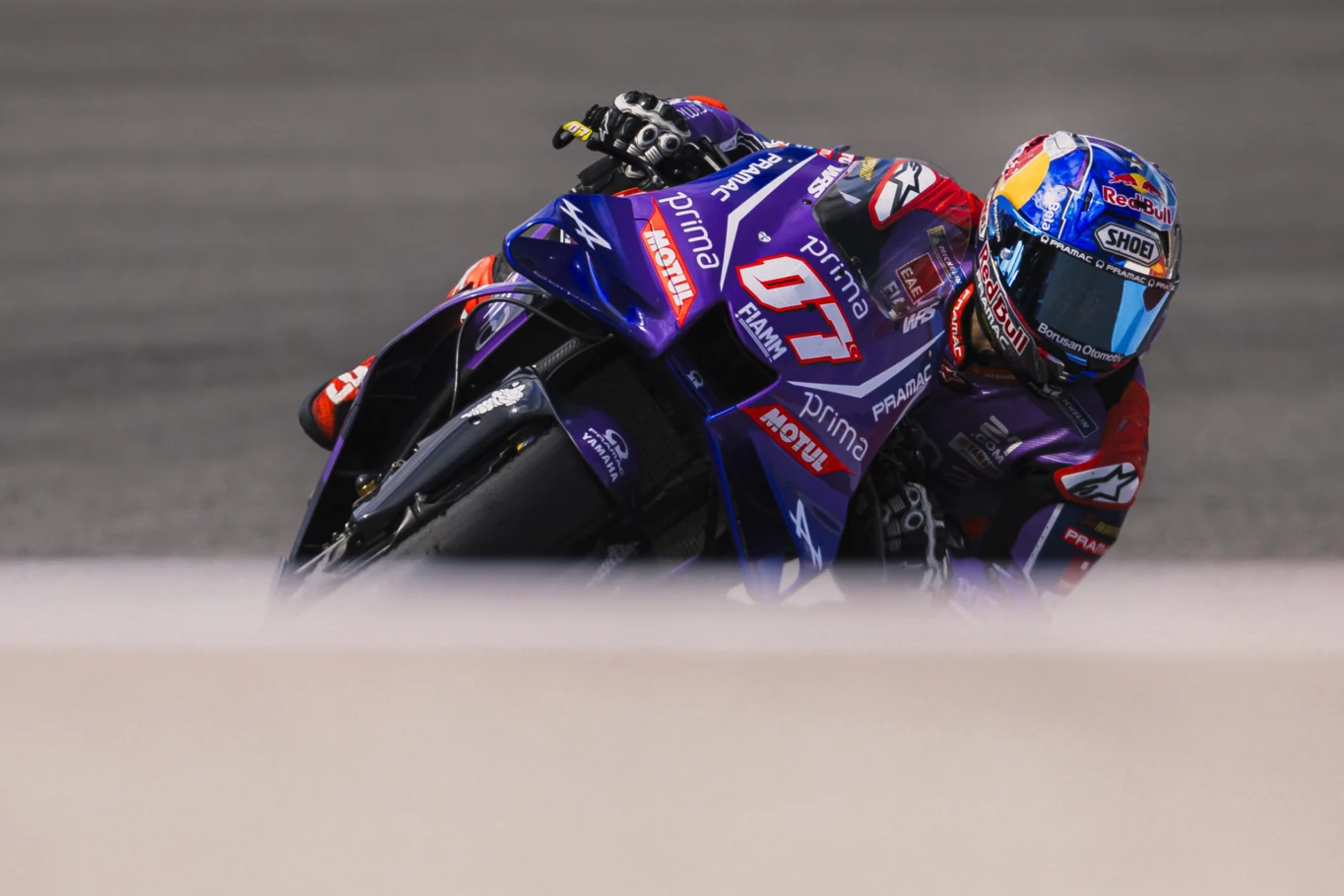
On Yamaha’s front section, there are multi-layered wing packages on both sides of the nose. Unlike the wide wings seen on current MotoGP motorcycles, the new design features a narrower structure. In this design, the wings are formed by overlapping at least three different surfaces. This allows Yamaha to achieve greater aerodynamic performance despite having less lateral width. Therefore, aerodynamics will not be eliminated in the 2027 MotoGP; manufacturers are expected to use smaller surfaces more efficiently. The nose, air intake, and wings of the Yamaha 850 prototype form a more integrated aerodynamic package rather than separate components. This approach aims for manufacturers to generate aerodynamic load using smaller surfaces integrated with the motorcycle's body, instead of large, protruding wings.
Positioning of Aerodynamic Load
A key goal of the new aerodynamic design is to reduce the aerodynamic effect on the following motorcycle. The wide wings on current MotoGP bikes can create excessive turbulence for the bike behind. The more compact structure of the new prototype may help reduce this turbulence. Although narrower wings might result in some loss of maximum aerodynamic load, the goal is for the motorcycle to gain a more predictable character and better balance during changes in direction. The aerodynamic profiles are positioned at the lower part of the front section and immediately beside the air intake. This arrangement aims to generate the aerodynamic load in the lower section of the motorcycle. This aims to reduce the motorcycle’s sensitivity, especially during changes in direction and in windy conditions. The wings positioned in the lower section of the Yamaha are also expected to provide support to the motorcycle in this regard.
New Technical Restrictions
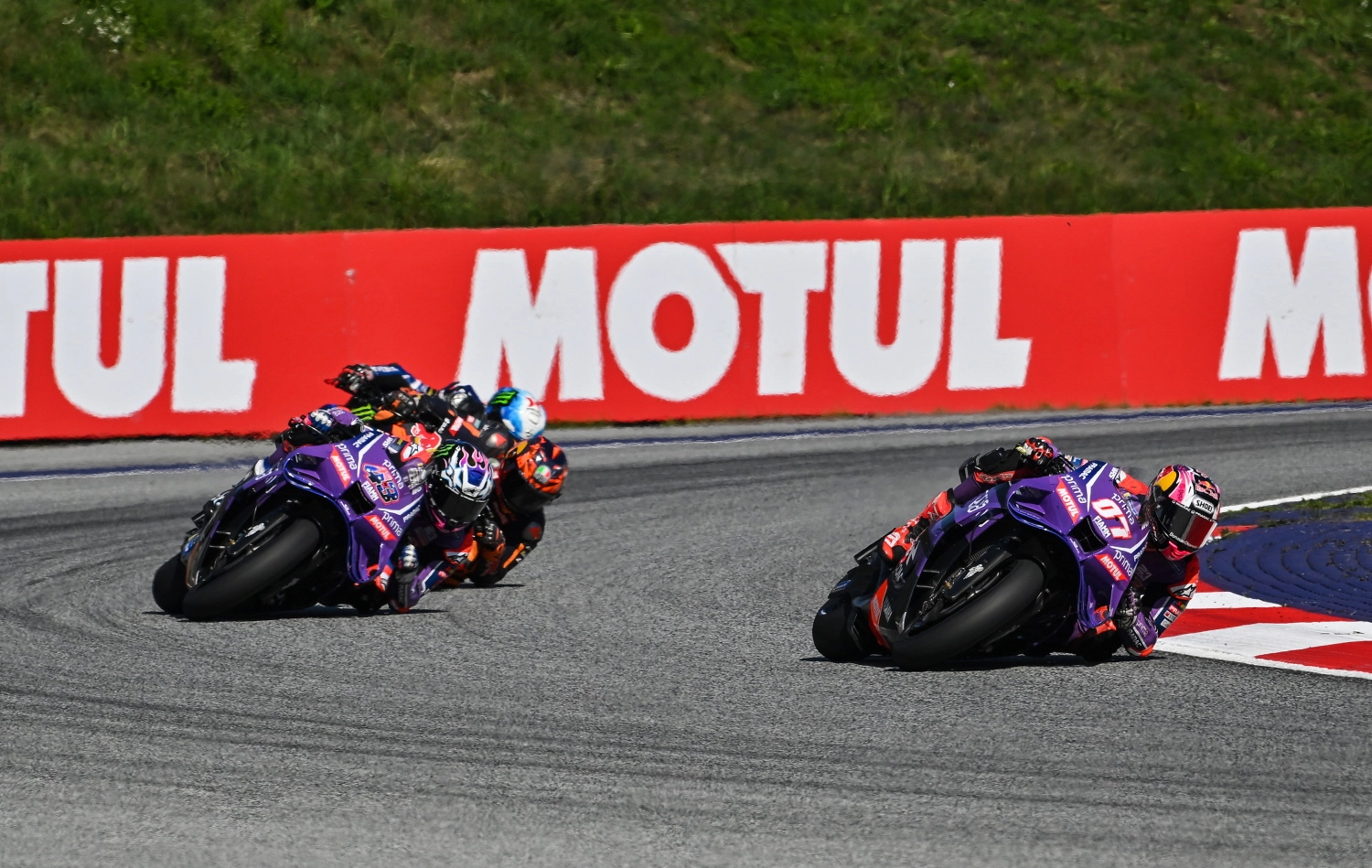
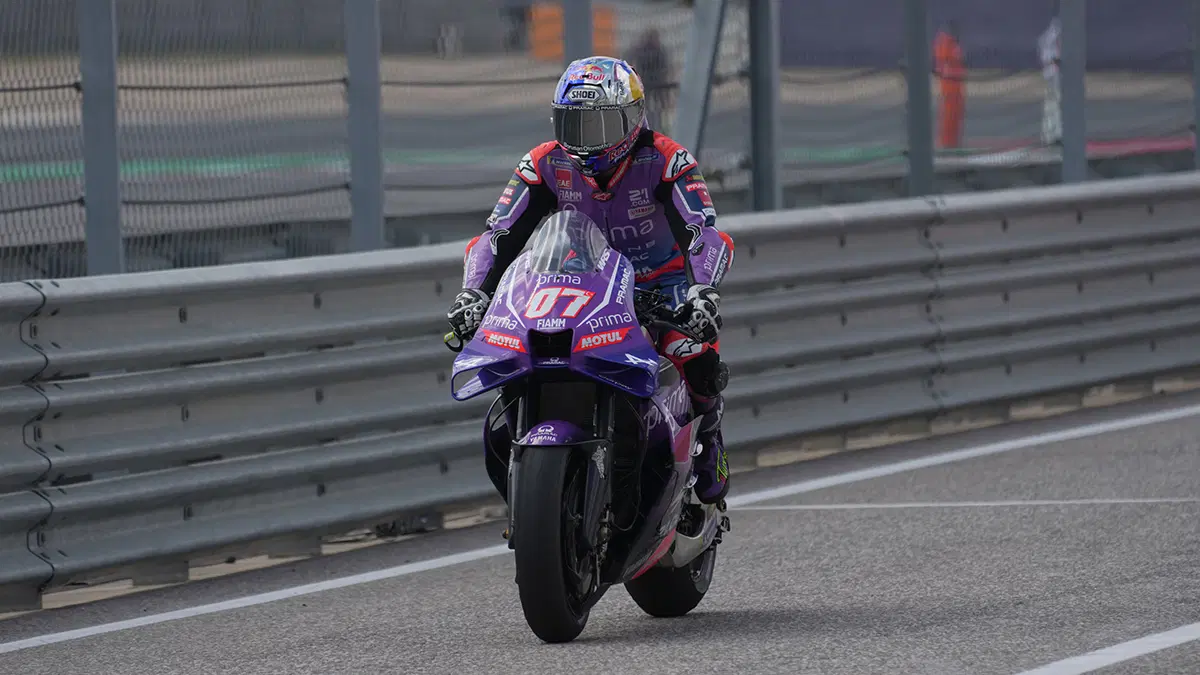
The 2027 technical regulations introduce restrictions based on important measurements in the motorcycles' aerodynamic structure. Another important reason for the new aerodynamic design is the prohibition of ride-height and holeshot systems. This prohibition means that starting from the 2027 season, motorcycles cannot be lowered by mechanical systems during acceleration. Therefore, chassis geometry, electronic systems, and aerodynamics will take greater importance for keeping the front wheel on the ground and ensuring the motorcycle remains under control during acceleration. Furthermore, the front aerodynamic structure of motorcycles is also restricted in the 2027 technical regulations. The upper part of the front fairing must be 50 mm narrower than current motorcycles, and the nose must be pushed back by 50 mm. The main objectives of these changes include reducing aerodynamic effects during braking and ensuring motorcycles can follow each other more closely, facilitating overtaking maneuvers. The Yamaha 850 prototype uses a narrower and more compact front aerodynamic package suitable for these new restrictions. Development is expected to continue, including final testing at the Valencia circuit, for the final 2027 motorcycles. The images revealed at the Red Bull Ring show Yamaha's direction in the new era of aerodynamics.
Figures
- Archive: Chassis Balance Tests Yamaha on the Misano Track (September 9, 2026)
Read the full story at the original source.
Go to sourceCompiled by Şükrü Utku Poyraz