AI Assisted Journalism
This article has been researched, summarized, and uniquely written by our AI editorial system based on information from MotoEtkinlik.
The Grand Prix Commission has approved radical rule changes in MotoGP races due to safety concerns. With these decisions, holeshot devices that provide aerodynamic advantage at the start are banned across the grid, and the grid layout is physically reorganized. Following serious accidents experienced recently, these technical bans are being implemented for the upcoming 2026 Dutch Grand Prix.
A major turning point has occurred in the world of MotoGP. The Grand Prix Commission has officially approved the rule changes to be implemented for the upcoming season. These new regulations involve both the banning of technical devices and changes to the physical spacing of the grid. The basis of all these decisions is the goal of minimizing safety risks during races.
Safety Accidents Accelerated New Rules
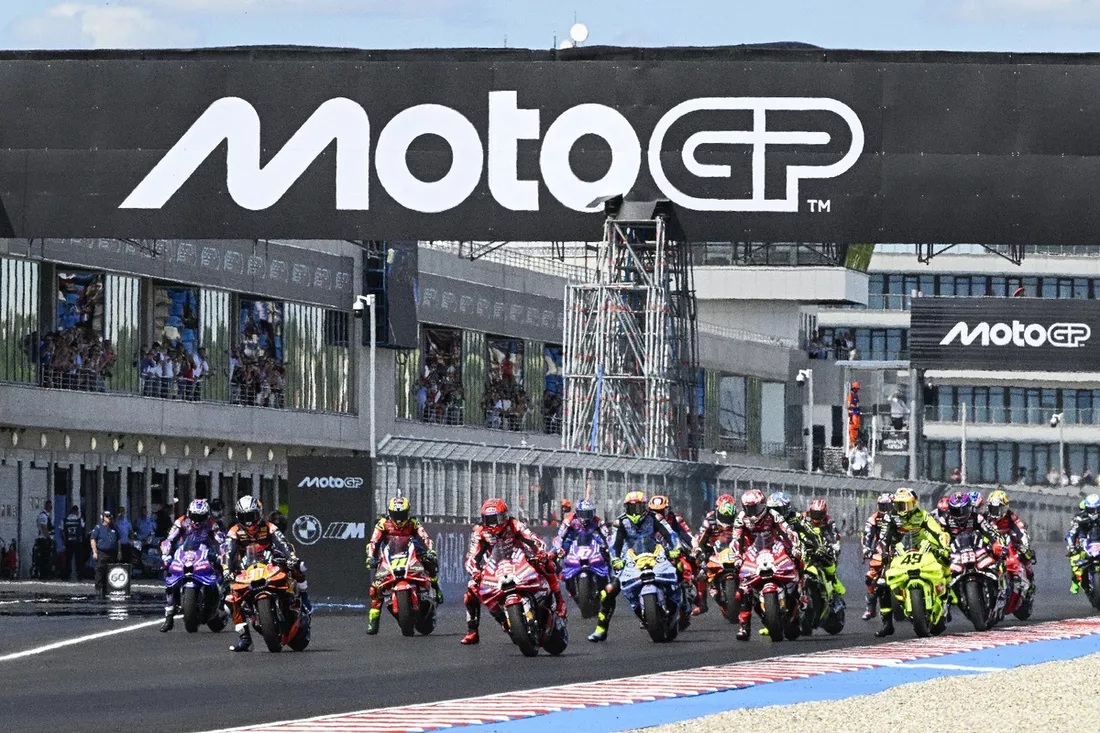
The most critical decision for this season was the ban on holeshot devices used at the start. These technological restrictions were already slated for prohibition alongside upcoming changes to the technical specifications and 850cc engine capacity limits. However, the chain of accidents that occurred during the Catalonia Grand Prix in May accelerated this issue. The collision between Francesco Bagnaia’s Ducati and LCR Honda rider Johann Zarco resulted in serious injury to the French rider’s knee. This incident elevated safety concerns in the paddock to a peak. From a technical perspective, the fact that these devices became a dangerous agenda item left no room for further delay by management. The possibility of chaos was increased by the fact that 22 motorcycles entering in a tight group at speeds as high as 300 km/h on the first corner would be aerodynamically close to the ground and their cornering capabilities were restricted. After evaluating feedback from teams and riders during start practice, the Commission decided to pull the devices back earlier, officially making the ban effective for the upcoming 2026 Dutch GP (Assen).
Grid Layout is Being Physically Reconfigured
Safety measures were not limited to technical aspects; significant physical adjustments have also been made to the MotoGP grid layout. The new arrangement plan, effective from the German GP, will expand beyond just the premier MotoGP category to include all sub-classes, including Moto2 and Moto3.
The new regulations aim to prevent dangerous crowding by increasing the distance between riders. The vertical distance between riders riding side-by-side has been increased from 3 meters to 4 meters. Accordingly, the total distance between each starting position on the grid will increase from 9 meters (3 x 3 meters) to the new interval of 12 meters (3 x 4 meters). While three riders will continue to be present at the start, this extra space between riders is intended to prevent dangerous crowding and bottlenecks before the first corner when the green light illuminates.
Manufacturer Quota Becomes a Formal Rule
The most important decision made by the Commission secured the official status of a future regulation. It was decided that starting from the 2028 season, no manufacturer will be allowed to field more than six motorcycles on the grid. This rule means that manufacturers will be able to supply a maximum of two satellite teams in addition to their own factory teams for motorcycles and logistics.
A critical condition was set for the applicability of this new regulation: the situation of having a maximum of six motorcycles on the grid—which is already observed in the case of Ducati—will occur in the 2026 season. However, the new rule will make this limit unbreakable official rule starting from 2028. This decision will significantly affect manufacturer competitiveness and logistical burdens for future seasons.
Yorumlar (0)
Bu tartışmaya katılmak için giriş yapmalısın.
Henüz yorum yapılmamış. İlk yorumu sen yap!