AI Assisted Journalism
This article has been researched, summarized, and uniquely written by our AI editorial system based on information from Speedweek MotoGP.
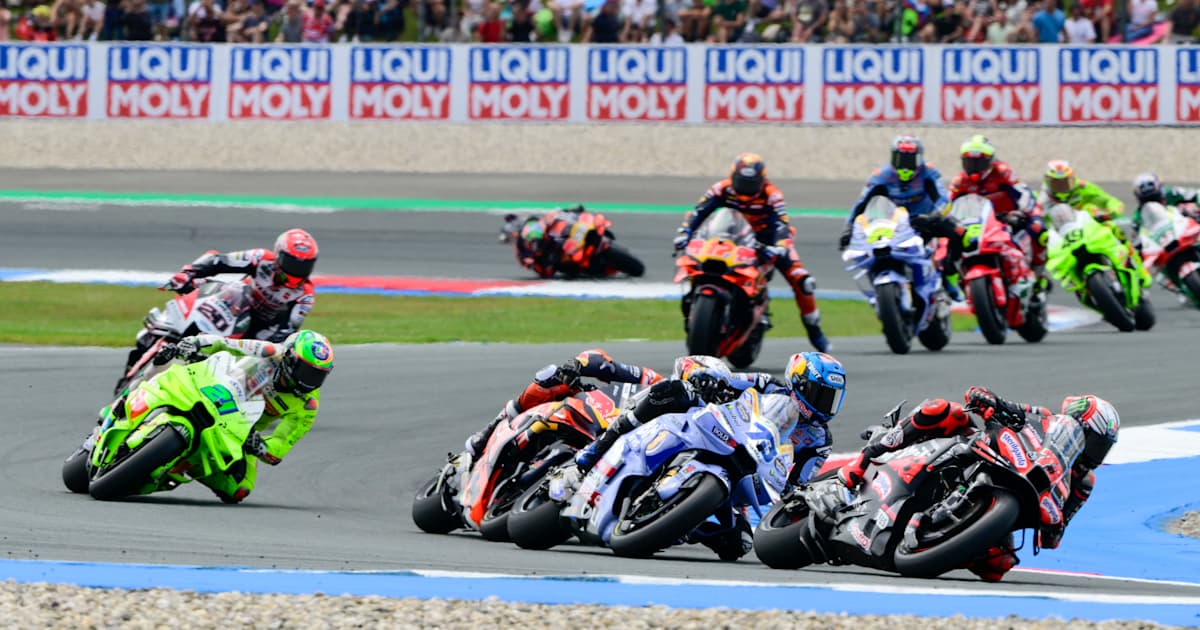
Broadcasting rights for MotoGP and other motorcycle sports bring the excitement of international races to different geographies. How prestigious events, such as the Dutch Grand Prix, are delivered to viewers is examined in detail through both paid and free platforms. In this article, we will delve into the broadcasting agreements for MotoGP and related junior classes, along with the critical race calendar planned for the 2026 season, focusing on viewing strategies in different countries.
Balancing Rights and Platforms
The broadcasting mechanisms used for major motorsport events reaching audiences determine the unique rules of each country. For instance, the rights required for the MotoGP World Championship (MotoGP-WM) and the Moto2 and Moto3 classes for a 22-race season are generally provided through paid platforms. Considering the high cost of such agreements, broadcasters must make strategic decisions.
On the other hand, broadcasting obligations are fulfilled in different ways in some countries. In the case of Germany, the old linear broadcasting structure ended, but a new partnership was established. This model signals an important development for premium motorsports. Furthermore, completely free solutions are available for viewers in certain regions. For example, ServusTV in Austria offers MotoGP-WM broadcasts free of charge through both linear and digital channels, integrating this service with platforms like Red Bull TV to provide wide access. This demonstrates how diverse the efforts to increase viewership ratings for motorsports can be.
Regional Broadcasting Strategies and Critical Timings
Broadcasters in different regions organize races according to specific time slots based on their local rights. In Switzerland, SRG (Swiss Radio) manages the rights for Switzerland through both linear and digital broadcasts. In this structure, MotoGP Sprint races are presented to viewers on Saturday afternoons (14:50). Additionally, a portion of races is broadcast in the evening on Sunday nights for some viewers. These details help us understand how the sport is perceived in different geographies.
A similar distribution exists in Italy. The broadcaster RSI in Italy covers both Qualifying sessions and main races. Specifically, Moto3 and Moto2 races are presented to viewers on Sunday evenings. Moreover, some races are re-aired late at night to ensure that the sport can be followed throughout the day. This is an indication of the effort to maximize the viewer experience.
2026 Dutch Grand Prix Calendar: Detailed Program
The most exciting moments in motorsports usually occur during Qualifying and races. The Dutch Grand Prix planned for the 2026 season provides a detailed timetable for viewers. This calendar includes practice sessions (FP), Qualifying sessions, and main races for different classes (Moto3, Moto2, and MotoGP).
The critical stages of the calendar are as follows:
- Thursday: The program begins with practice sessions such as Moto3 FP1 and Moto2 FP1.
- Friday: Excitement builds with MotoGP FP1, Bagger World Cup, and Practice sessions. Notably, the 60-minute MotoGP Practice session is designated as a critical time slot for observing the pilots' final preparations.
- Saturday: Qualifying sessions (Moto3 and Moto2) and the subsequent main races are the moments viewers await the most. For example, the MotoGP Sprint race starts at 15:00, followed by the Moto2 and Moto3 races. This sequence progressively increases the tension of the sport.
- Sunday: The main MotoGP Race (26 laps) and the Moto2/Moto3 races take place on this day. Special events, such as the Bagger World Cup, are also included in the schedule. This detailed program emphasizes that the sport is not just a competition but also a rich spectacle.
Broadcasting rights and calendars in motorsports carry both commercial and cultural dimensions. The experience provided to the viewer by each platform directly affects the quality of this excitement. This dynamic structure proves how important an entertainment element motorsports are on a global scale. Broadcasters continuously develop new solutions to ensure the best possible experience for our viewers.
Yorumlar (0)
Bu tartışmaya katılmak için giriş yapmalısın.
Henüz yorum yapılmamış. İlk yorumu sen yap!