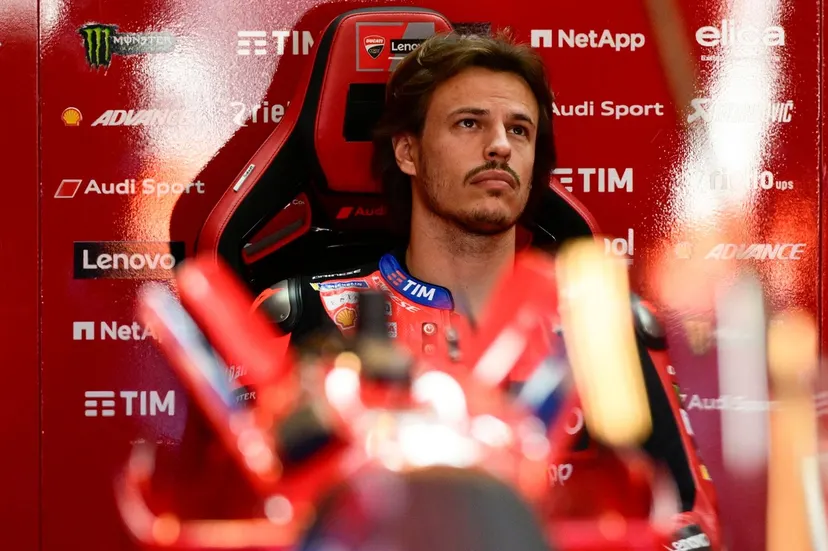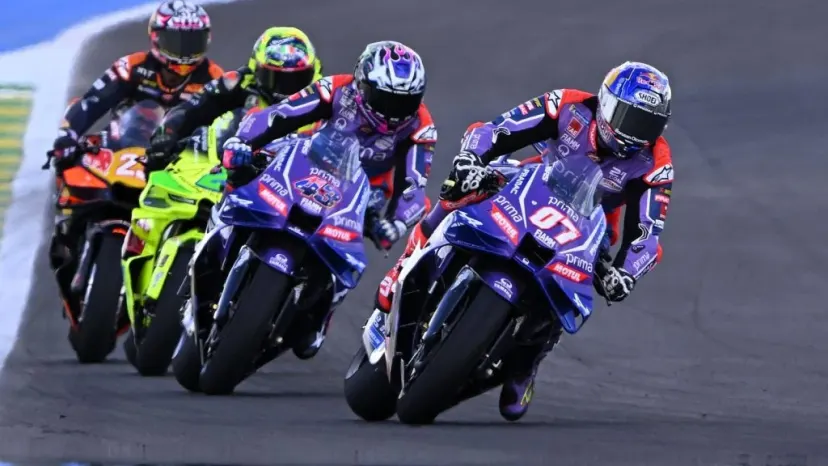
In anticipation of the MotoGP Asian Tour Japanese Grand Prix in the 2026 season, Michelin stated that the new asphalt at Motegi would be the biggest unknown of the weekend. As the track is being completely resurfaced, there is no real race data available for the new surface.
Track Characteristics of the New Asphalt
Mobility Resort Motegi features 8 right and 6 left corners with a length of 4,801 kilometers. Due to the track's late braking and powerful acceleration, it can be described as exhibiting a classic "stop-and-go" character. Considering this structure, front tires are expected to provide stability and precision during braking, while rear tires must withstand high loads during acceleration. With the complete resurfacing of Motegi this year being a significant change.
Three Options for Front and Rear Tires
Michelin will offer three front and three rear tire options: Soft, Medium, and Hard for Motegi. These tires will retain the same carcass structure as last year; three will use a symmetrical compound. The Hard front tire will have a reinforced structure, and Michelin stated that this solution is suitable for some Asian tracks and will be used in the Mandalika race in Indonesia.
Michelin has chosen a higher hardness level for 2025. This is because they do not know how the new asphalt will react, leaving an extra safety margin for the tires. Soft and Medium rear tires will use the standard carcass, while the Hard rear tire will have a reinforced carcass, a structure previously used in Austria.
Necessity of Closely Monitoring Track Development
Piero Taramasso stated that there is a significant load on the tires due to the two-wheeled races of Michelin Motorsport at Motegi. He emphasized that Michelin needs to collect extensive data throughout the weekend.
Our main challenge this year will be to understand the new asphalt because the entire track has been resurfaced.
Taramasso indicated that the track development will be closely monitored from the first day. Weather conditions will also play a role. Given that the Japanese Grand Prix falls during this period, temperatures are relatively cool and there is a possibility of rain. This situation, combined with the reaction of the tires to the new asphalt's temperature, could make tire choices even more critical for the teams. Due to Michelin's lack of data on the new asphalt, they need to quickly understand the track's character starting from the Monday sessions. The grip and wear levels of the new surface at Motegi will serve as an important benchmark for tire strategies for the remainder of the weekend.
Figures
- Archive: Explaining the Difference in Michelin Tires at Ducati (September 25, 2026)
Read the full story at the original source.
Go to sourceCompiled by Şükrü Utku Poyraz