AI Assisted Journalism
This article has been researched, summarized, and uniquely written by our AI editorial system based on information from MotoEtkinlik.
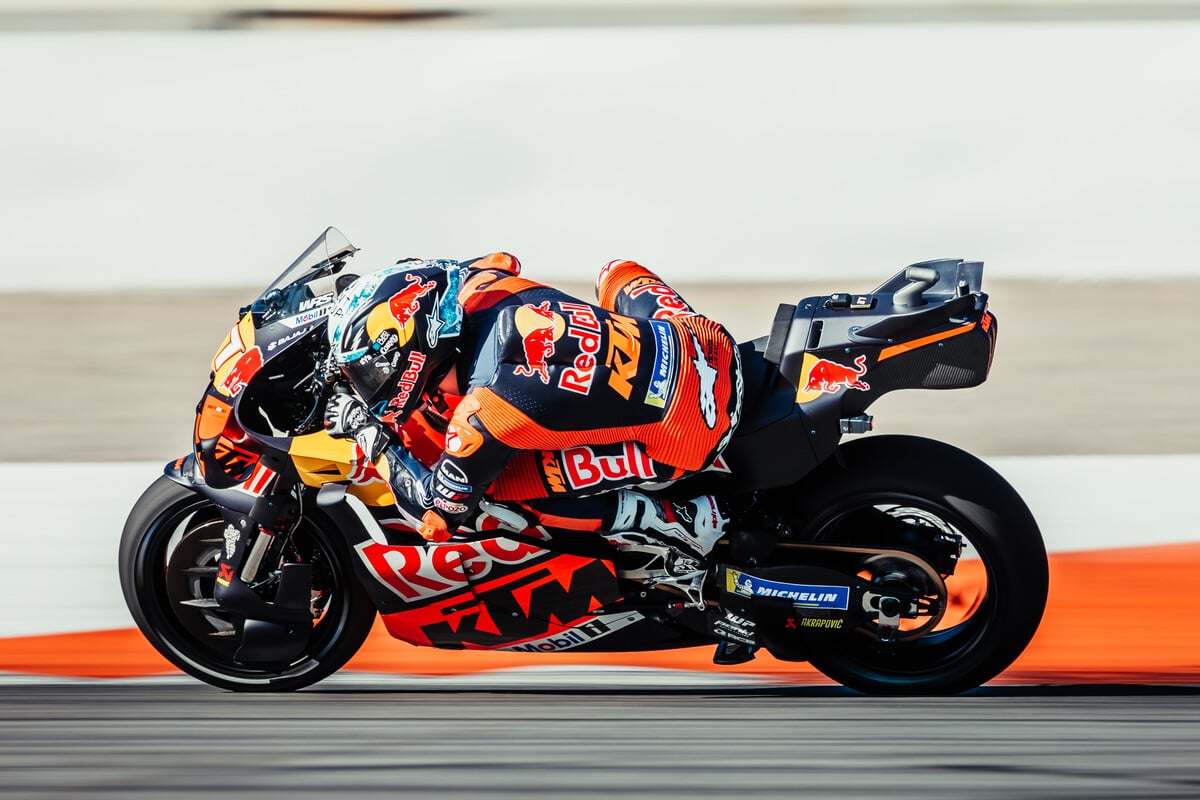
To address the recurring technical failures experienced by KTM motorcycles during the 2026 season, the manufacturer submitted a formal special revision application to the Motorcycle Sport Manufacturers Association (MSMA). If this request is approved, technicians will be allowed to replace faulty supplier parts during the summer period and open engines under the supervision of IRTA. KTM Motorsport Director Pit Beirer stated that the source of the problem lies in high-stress components that do not meet supplier quality standards.
Technical Issues Experienced During the Season
The 2026 season offered a promising start for KTM. However, durability issues soon emerged with the motorcycles. In terms of performance, despite optimizing the KTM RC16 model for technical corners, it suffered a loss of performance on straights, and the motorcycle’s maximum speed advantage was eliminated.
The technical failures were not isolated. A clutch failure occurred on Brad Binder's motorcycle during the Catalunya race. Furthermore, electronic failures were detected on both the Catalunya and Mugello circuits on Pedro Acosta's motorcycle. Brad Binder reported experiencing two separate engine failures at Mugello. To ensure stability during the start, KTM was forced to reduce the engine allocation limit. However, it was emphasized that all repairs must remain within the seven-cylinder engine allocation limit granted to each rider for the 2026 season.
What is the Purpose of the Special Revision Request?
The team identified critical engine components that failed to meet specified quality requirements and were subjected to high stress. According to Beirer’s statements, which indicated these parts failed under specific conditions, these components were sourced from a supplier. KTM confirms that parts with correct specifications will not experience the same failures.
Accordingly, KTM submitted a detailed request to MSMA. The application covers the opening of engines affected during the summer period under controlled conditions and the replacement of faulty parts with correctly specified components. If this request is approved, technicians will only be permitted to open engines for repair purposes under the supervision of IRTA, the technical inspection body of the racing organization. Furthermore, no modifications or developments will be allowed.
The current engine allocation status will not be affected by this process. Conversely, new failures that occur in the future will continue to reduce the 2026 season allocation. If a rider exceeds the seven-cylinder limit, penalties will be applied during the start sequence.
Performance and Decision Process
This application must not be confused with a system that grants extra testing/development rights based on results for underperforming manufacturers. The request is solely concerned with allowing faulty parts sourced from suppliers to be repaired without affecting engine allocation counts.
KTM’s decision to deliberately reduce the allocation in order to ensure durability implies a sacrifice of maximum speed in order to maintain performance consistency. Acosta's seventh place in the championship draws attention. It has not yet been announced when MSMA will finalize the application. The decision is expected to be finalized before the MotoGP paddock meets again at Silverstone track between August 7-9.
Yorumlar (0)
Bu tartışmaya katılmak için giriş yapmalısın.
Henüz yorum yapılmamış. İlk yorumu sen yap!