AI Assisted Journalism
This article has been researched, summarized, and uniquely written by our AI editorial system based on information from Speedweek MotoGP.
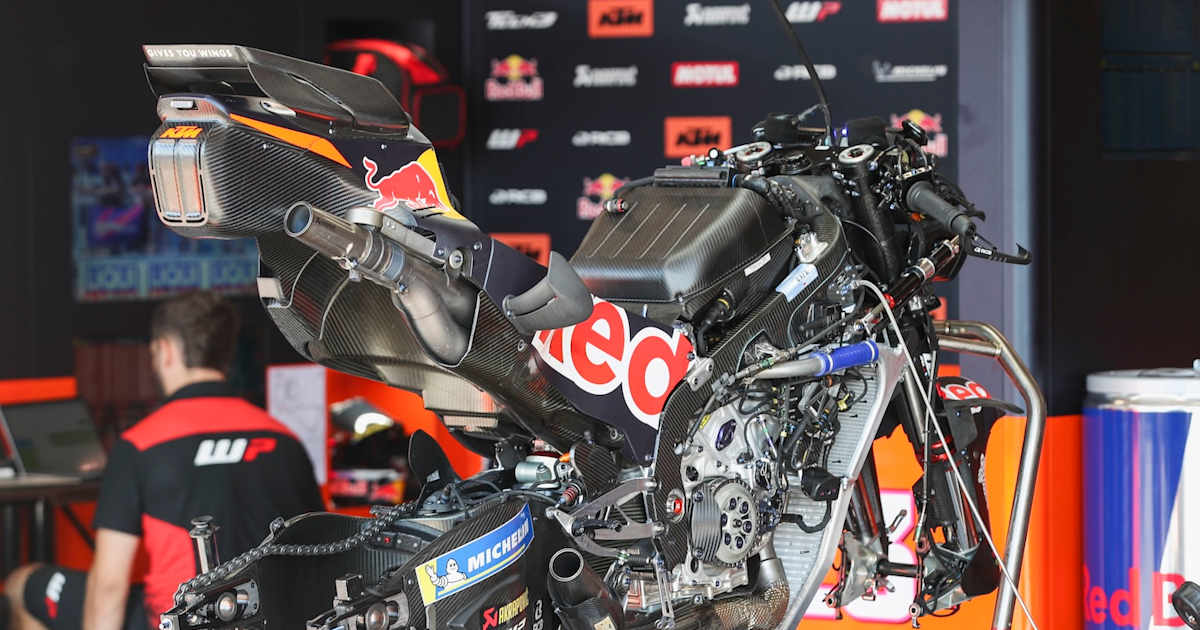
For the 2026 MotoGP season, KTM submitted a special revision application to resolve reliability issues with the RC16 prototype, and technical details and safety standards were discussed during this process.
KTM faced a challenging test for the start of the MotoGP season. Projects based in Austria, in particular, encountered significant technical obstacles at the beginning of the season. While new generation riders like Pedro Acosta showed impressive performance during winter tests, doubts arose regarding the motorcycle's comfort and competitive capability. KTM sought a special solution to address these issues by ensuring compliance with safety standards for critical engine components. This was a safety matter relevant to all Austrian riders, rather than just individual vehicle problems.
Technical Issues and Safety Protocols
To guarantee the reliability of the RC16 prototype, revisions were made by reducing engine power output. However, these changes had to remain within the limits set by the manufacturers; there were maximum engine contingents defined for each rider and mechanic. Within this framework, KTM was allowed to use the maximum number of engines per brand. This represented a critical regulation defining the limits of technical competence.
The malfunctions experienced by riders raised more serious safety concerns. For example, motorcycles were not required to stop in some races; however, incidents such as failures in Binder's clutch mechanism or unexpected malfunctions in Acosta's electronic system created doubts about the overall durability of the engines. These situations questioned whether technical equipment and parts met the required standards.
KTM's Proposed Solution and Demand for Transparency
KTM Racing Director Pit Beirer decided to take the necessary steps to resolve these issues. The technical team focused on identifying the source of the problem by investigating the causes of the faulty parts. Following this comprehensive review, they determined that critical components did not comply with the specified specifications and that these parts failed under certain conditions.
Pit Beirer clarified the situation in a statement to SPEEDWEEK.com: "> We discovered that we were using high-load parts based on assumptions; these do not comply with the specified specifications. These critical parts of the engine failed under certain conditions. These parts belong to the supplier, and upon investigation, we can rule out the possibility that these failures occurred with 'correct' parts."
In response to these technical findings, KTM presented a solution. The company submitted a special request to the Motorsports Management Authority (MSMA), preparing a detailed document. The request included allowing faulty engines to be opened under controlled conditions during the winter season and replacing critical parts with correct specifications.
"We have made a special request for the affected engines to be opened under controlled conditions during the winter break and for critical engine parts to be replaced with the correct part matching the same specification. We received positive feedback during the Sachsenring GP; however, some responses are still awaited. We will demonstrate full transparency to all stakeholders and make this process transparent."
If KTM Factory Racing's application is accepted, technical teams will be able to open the RC16 engines for maintenance under the supervision of Team Association (IRTA) technical experts. However, the current engine status will not change. If limits are exceeded, penalties such as disqualification from the start of the race if a rider uses an auxiliary engine will be applied. This regulation aims to ensure both safety standards and fair competition.
Yorumlar (0)
Bu tartışmaya katılmak için giriş yapmalısın.
Henüz yorum yapılmamış. İlk yorumu sen yap!