AI Assisted Journalism
This article has been researched, summarized, and uniquely written by our AI editorial system based on information from Speedweek MotoGP.
A serious accident on the Assen circuit at the end of the MotoGP race week raised important questions about Alex Marquez's health status and racing strategy. Following the severe fall, checks were conducted to discuss the severity of the pilot's injuries. Considering Marquez's past injuries and current physical condition, questions arose regarding his approach to the race and his rehabilitation plan.
Critical Conditions Before the Race
Alex Marquez drew attention with a serious accident he suffered on the Assen circuit on Friday. This fall interrupted the training session. Considering the serious injuries Marquez sustained in Barcelona in the past (ribs and collarbone), this incident raised new concerns. However, the examination results conducted Friday evening were relatively reassuring: the collarbone was intact. The injuries included scrapes and shoulder bruising.
Marquez's past experiences before this season also drew attention. Along with the severe accident he suffered at Assen last year, injuries to areas like the shoulder and collarbone were recalled. These situations required the pilot to reassess his physical limits.
Race Performance and Pilot Statements
Alex Marquez, who participated in the race on Saturday, showed a successful performance in FP2 during the first stage. However, critical moments occurred during Q2. Instead of fighting for pole position, Marquez accepted starting position 12 and began the race. The situation was different during the Sprint segment; unlike his teammate Fermin Aldeguer, Marquez remained successfully on track and competed. Despite losing a position, this performance demonstrated the pilot's resilience.
The pilots shared their perspectives on these events. The Gresini-Ducati rider stated that focusing on the recovery process from injuries is the best approach:
"The fall yesterday was not planned, but today I valued moving forward gradually without taking risks, focusing only on staying on track rather than trying to overtake anyone. This is the best way to get your body back into shape."
Marquez admitted his mistakes. He spoke about the moments he failed:
"I made a big mistake by trying to go beyond my abilities because the first fast lap was good and I was already in the 6 or 7 position. I wanted second place, but that was not the right mindset for my current condition. I pushed myself too hard."
The pilot's explanation regarding the fall showed that he took responsibility:
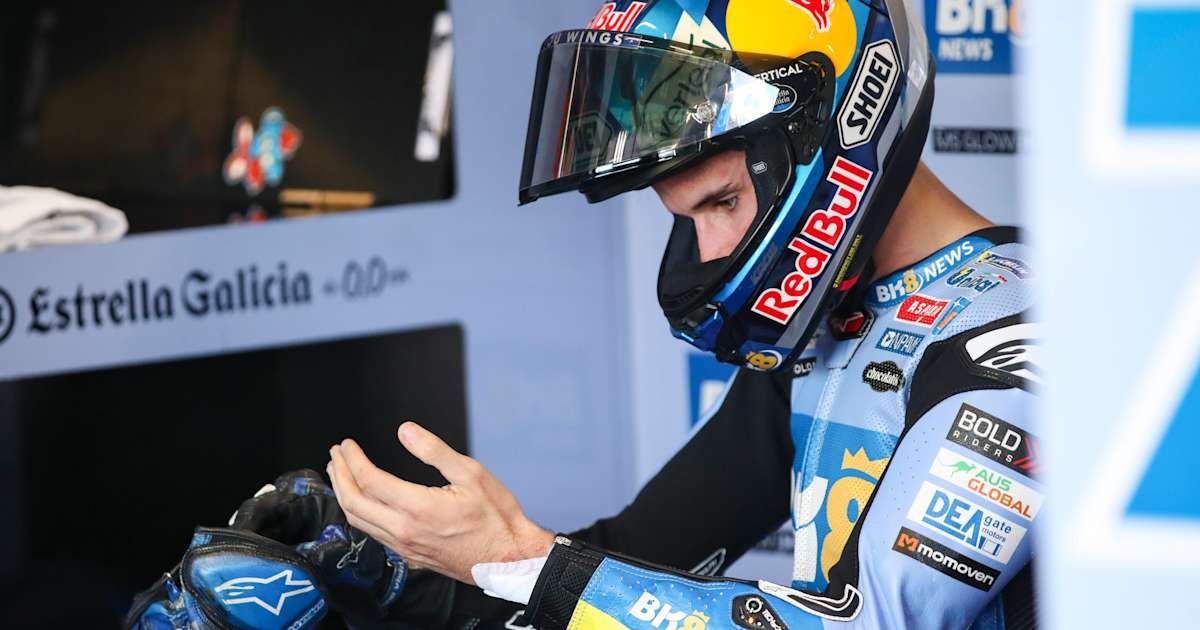
"That was my fault. I took off my helmet and gloves before the attack, I was sweating a lot, everything was wet and hot. I should have tightened the gloves, but due to sweat and heat, I should have held them tighter. This was entirely my fault, and I apologize to Alpinestars, because the rider's responsibility is what matters in the end."
Rehabilitation Plan: Racing Without Risk
Race plans for Sunday were clarified. Marquez defined his rehabilitation process as a "reha-race." The pilot's approach was summarized as follows:
- Warm-up laps would be conducted in the morning.
- A decision would be made whether to enter the race after the warm-up.
- If a race was scheduled, they would try to complete as many laps as possible. However, this would be done without taking risks and with maximum possible comfort.
This approach emphasizes that the rehabilitation process should be treated as such, minimizing the risk of falling and avoiding pressure. The goal is to prevent another accident from occurring.
Yorumlar (0)
Bu tartışmaya katılmak için giriş yapmalısın.
Henüz yorum yapılmamış. İlk yorumu sen yap!