AI Assisted Journalism
This article has been researched, summarized, and uniquely written by our AI editorial system based on information from Speedweek MotoGP.
Ducati, Biaggi with 2003: Why a Different Decision Was Made?
This article, presented with the objective and exciting narration of experienced editor Serhan Acar, examining Ducati’s 2003 decision to field Max Biaggi in MotoGP, was a pivotal moment for motorsport enthusiasts. The reasons behind this strategic move stemmed from the competitive landscape and technological advancements within the motor sport world at the time.
2003 MotoGP Entry: Biaggi’s Opportunity
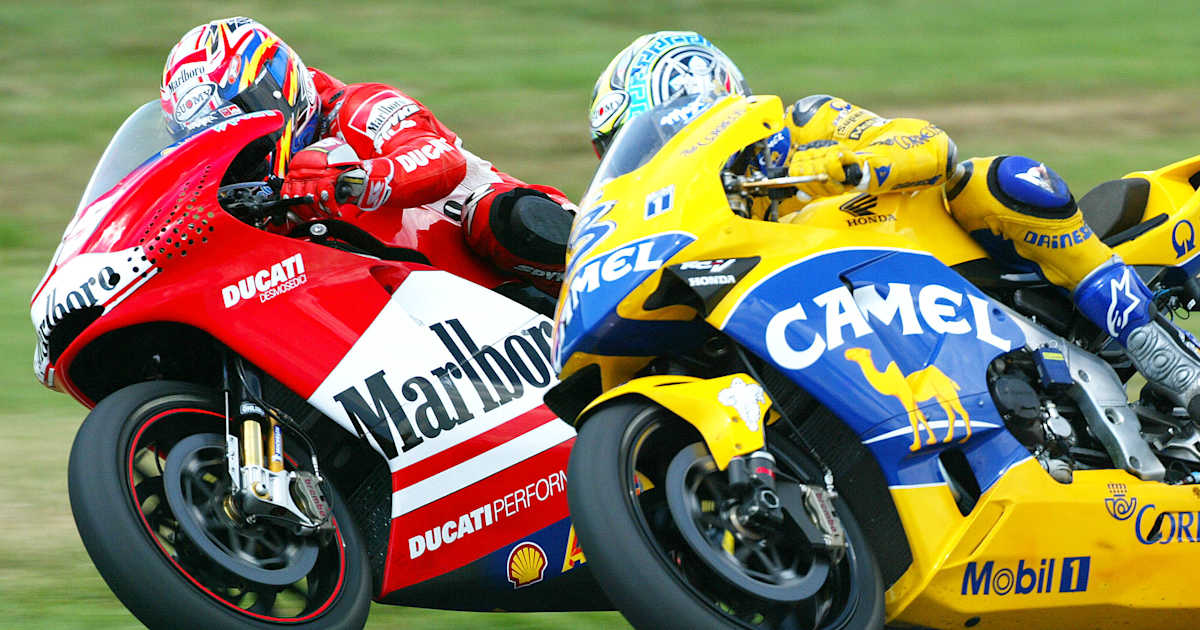
2003 marked the beginning of a new era for Ducati’s entry into MotoGP. The Italian marque, previously a dominant force in the Superbike World Championship for many years, aimed to immediately establish a competitive team in the premier class. Accordingly, they placed Biaggi at the top of their list as a pilot candidate. This topic was discussed on the podcast hosted by Mat Oxley and Peter Bom, with Ducati’s former team manager Livio Suppo detailing that Biaggi was initially favored after lengthy negotiations beginning in 2002.
Technical Director’s Confidence in Biaggi
Ducati’s engineers viewed Biaggi’s potential as highly promising at first glance. CEO’s Claudio Domenicali and Filippo Preziosi, when comparing Biaggi’s career, explicitly stated their preference for the more successful Biaggi. Suppo highlighted Biaggi’s success in Yamaha’s 500cc motorcycles, commenting, “Max Biaggi could win with a Satellite-Honda.”
Capirossi’s Motivation: A Factor of Chance
Suppo believed that Biaggi was making this change for financial reasons. The sponsorship of Marlboro at the time meant that Biaggi’s motivation was not sufficient. However, Ducati’s most important factor at the time was Loris Capirossi’s motivation and Troy Bayliss’s experience.
Intense Competition: Rossi and Gibernau
Given the challenge of competing against formidable figures such as Valentino Rossi and Sete Gibernau during Ducati’s first MotoGP race in 2003, it’s clear how demanding the situation was. Rossi secured 357 points with Repsol Honda, while Biaggi finished third with 228 points, and Gibernau was second with Movistar Honda. Capirossi finished fourth in Ducati’s first MotoGP season.
Conclusion
Ducati’s initial agreement with Biaggi was merely a beginning to the brand’s journey in MotoGP. This strategic move stemmed from the competitive landscape and technological advancements within the motor sport world at the time.
Yorumlar (0)
Bu tartışmaya katılmak için giriş yapmalısın.
Henüz yorum yapılmamış. İlk yorumu sen yap!