AI Assisted Journalism
This article has been researched, summarized, and uniquely written by our AI editorial system based on information from Speedweek MotoGP.
A critical moment occurred in the world of motorsport. KTM riders disrupted the race schedule due to technical glitches and sensor errors experienced before the event. The fact that two different riders experienced technical problems and engine malfunctions raises questions about the manufacturer's quality control processes. These incidents are more than a momentary lapse; they draw attention to a series of mechanical flaws and potential quality issues in parts experienced by KTM riders over the last few months.
Technical glitches are always a risk factor in motorsport organizations. However, what happened this time is not just a malfunction, but raises serious doubts about the overall system's operation. The problems experienced by KTM riders before Sprint-Samstag resulted in unexpected glitches and engine failures at the start of the race. This situation demonstrates how robust the manufacturer's technical competence and quality control mechanisms truly are.
Details of Technical Flaws
Before the race, riders encountered technical issues at least twice. Pedro Acosta, the leading rider, was stopped twice due to technical malfunctions. Furthermore, during the start of the second practice session, the Spanish rider had to pull his RC16 vehicle onto the track. This shows how precise the organization is.
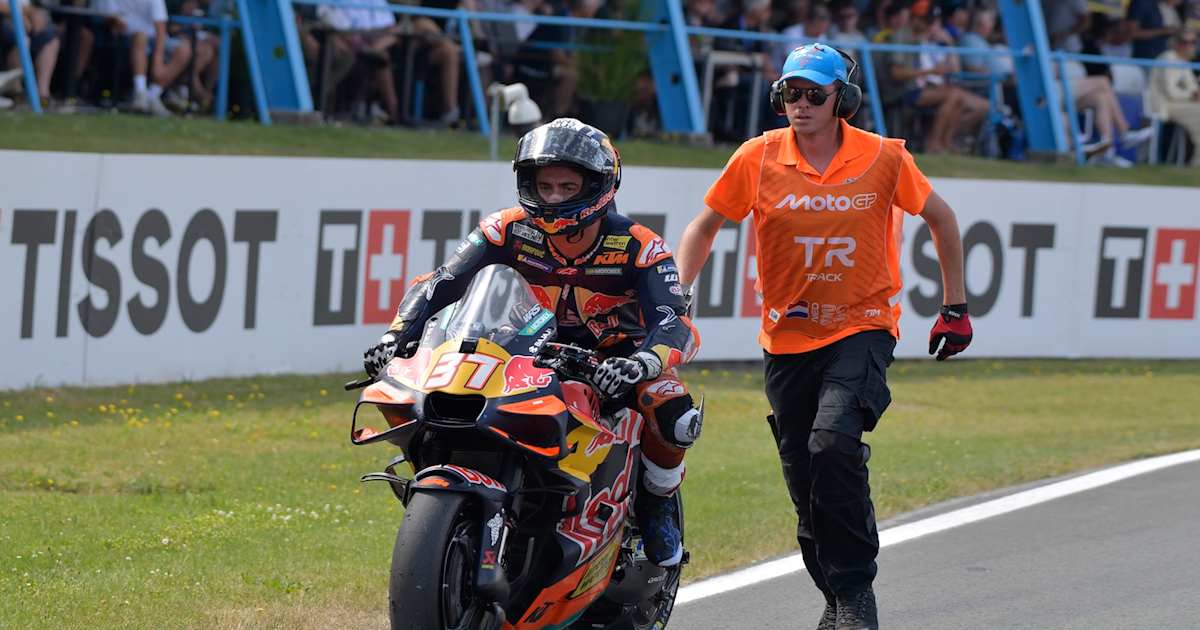
Later, another incident occurred where rider number 37 from the Red Bull KTM Factory Racing team also experienced a technical issue. Interestingly, both riders encountered this malfunction at the same point on the track, immediately after a fast right turn. This similarity suggests that the incident points to a larger systemic problem rather than a single lapse.
Production Quality and Regulations
These incidents point toward mechanical issues related to fundamental elements that determine engine power, rather than just a simple engine failure. Experts believe that the source of these types of glitches may be deficiencies in the quality of certain parts produced. According to current regulations, engine development for specific manufacturers is restricted. Except for Yamaha, engine development rights for all manufacturers are prohibited starting from the beginning of 2025, and the basic specifications for the RC16 have not been changed during this period.
These quality issues can lead to damage that is not directly tied to race performance criteria. Vehicles are regulated according to established criteria for engine replacement. Every rider has a maximum number of races; if a rider exceeds this limit, serious penalties are applied for every additional practice session. For example, while starting from the grid in GP+ races, different rules apply during Sprint races. Maintaining this balance requires manufacturers to transparently disclose technical issues and riders to return to reliable performance.
Technical Explanations and Reliability
Regarding the glitches experienced, Team Manager Aki Ajo provided an assessment live on air:
This was unprecedented. During Pedro's riding, we recorded sensor values that we had never encountered before, which automatically triggered an emergency riding program. There are no defects in the engine, and we can be sure that we have solved the problem.
However, Ajo emphasized that the situation in the Barcelona crash was different:
I would like to state that the defect that caused Alex Marquez's crash in Barcelona cannot be compared to the issue we experienced.
These technical glitches highlight the responsibility of manufacturers to ensure the reliability and performance required by motorsport. It is expected that KTM will adopt a transparent approach to such technical problems, allowing RC16 riders to regain reliable riding power.
Yorumlar (0)
Bu tartışmaya katılmak için giriş yapmalısın.
Henüz yorum yapılmamış. İlk yorumu sen yap!